
QiGong in a nutshell - further info for the enlightend!
Sebas Helps | FEB 26, 2024
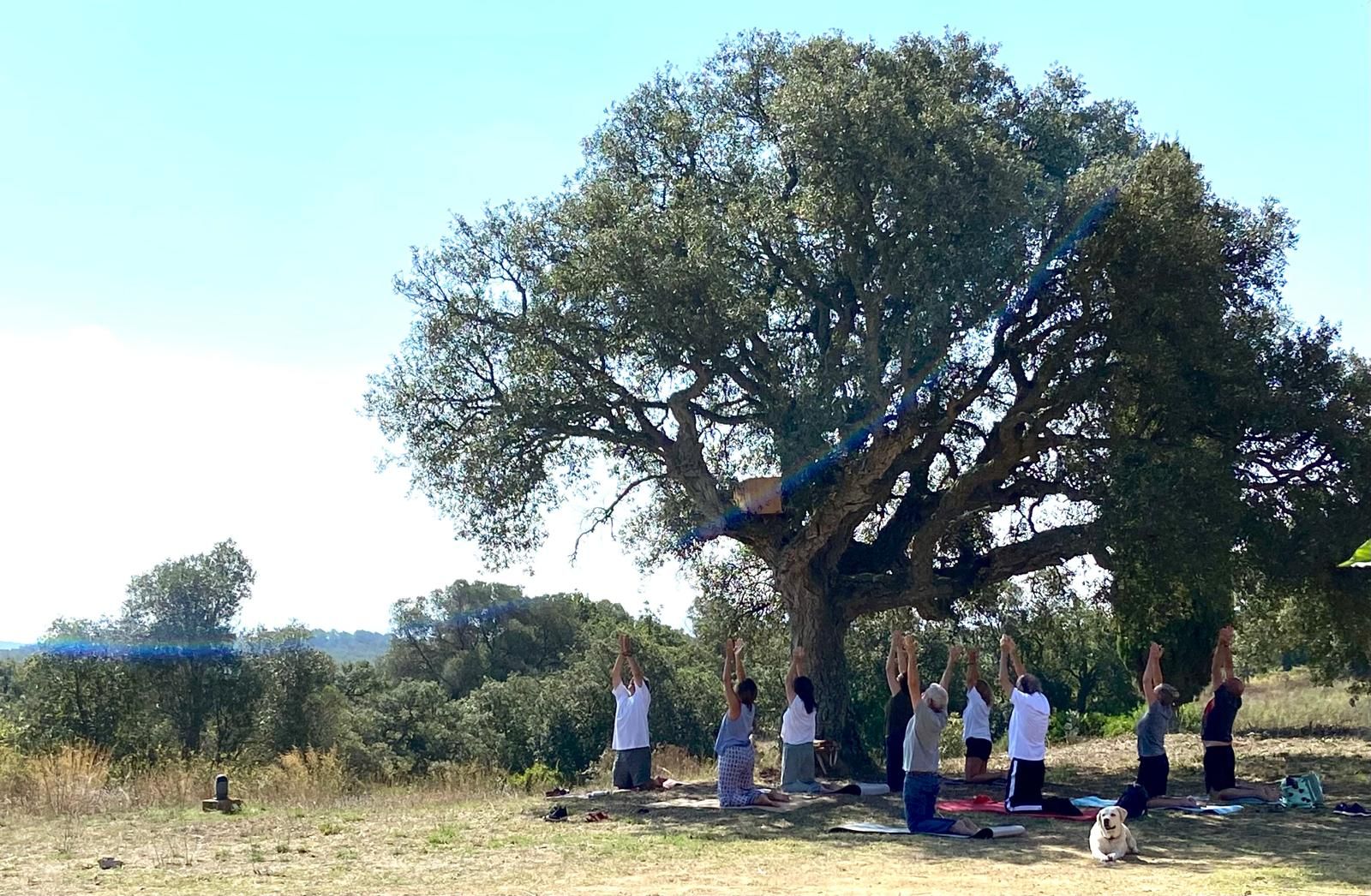
Qigong is a practice that involves combining movement, meditation, and breathing techniques to cultivate and balance the body's vital energy, known as "qi" or "chi." To break it down into smaller, easier-to-understand parts, let's use some analogies and real-life examples:
1. Breathing:
Think of your body as a house with windows and doors. When you practice qigong, you focus on breathing deeply and smoothly, allowing fresh air to flow into your house through the windows. This represents the intake of fresh qi into your body. Similarly, when you exhale, it's like opening the doors of your house, allowing stale air and negative energy to leave.
2. Movement:
Imagine your body as a flowing river. In qigong, you perform gentle movements that resemble the smooth flow of water. These movements help to circulate the qi throughout your body, just like a river flowing freely. By practicing qigong movements, you remove blockages in the river of energy, ensuring a harmonious and balanced flow.
3. Meditation:
Consider your mind as a calm lake. During qigong meditation, you focus your attention and quiet your thoughts, allowing your mind to become still like a peaceful lake. Just as a still lake reflects the beauty around it, a calm mind in qigong meditation reflects the balance and serenity within you. This state of mental clarity helps to enhance the flow of qi.
4. Visualization:
Visualizations in qigong involve imagining the movement of qi within your body. Think of your body as a garden, and the qi as nourishing sunlight. As you visualize, you can imagine the warmth and brightness of the sun shining on different areas of your garden, providing energy and vitality to those parts. This visualization helps to enhance the flow and balance of qi throughout your body.
5. Sensations:
When practicing qigong, you may experience different sensations. Imagine your body as a musical instrument. When you play the instrument, you can feel the vibrations and energy resonating through it. Similarly, during qigong, you might feel sensations such as warmth, tingling, or a gentle pulsing as the qi flows and harmonizes within you. These sensations are like the beautiful melodies created by playing an instrument.
By breaking down qigong into these smaller parts and using relatable analogies, we can better understand how the practice involves the breath, movement, meditation, visualization, and the sensations experienced. Remember, qigong is a personal journey, and with regular practice, it can help you cultivate and balance your vital energy, leading to improved physical, mental, and emotional well-being. Whats not to love? Enjoy...
Sebas Helps | FEB 26, 2024
Share this blog post

 OfferingTree